
Ethical Non-Monogamy (ENM) & Polyamory Affirming Therapist for Massachusetts and Vermont

Online individual therapy for individuals practicing or exploring ethical non-monogamy (ENM), polyamory, open relationships, swinging, and relationship anarchy.
Navigating consensual non-monogamy in a monogamy-centered culture can feel isolating. You may be thriving in many areas of life — yet still struggling with jealousy, attachment triggers, communication breakdowns, or feeling misunderstood by therapists who pathologize your relationship structure.
You deserve therapy that affirms your relationships, not one that treats them as the problem. I provide online polyamory & ethical non-monogamy affirming therapy to adolescents and adults throughout all of Massachusetts and Vermont. I have worked in the mental health field for over two decades and bring that depth of clinical perspective, as well as personal life experience with this community as well.
Please note while I work with people navigating relationship dynamics, I work with individuals only and do not provide couples therapy/counseling.
What Is Ethical Non-Monogamy?

Ethical non-monogamy (ENM) is an umbrella term for consensual relationship structures in which people have more than one romantic and/or sexual partner, with everyone’s knowledge and consent. This can include polyamory, open relationships, swinging, relationship anarchy, and other intentional structures.
ENM is not inherently a symptom of trauma, avoidance, or commitment issues. It’s a relationship structure, and like monogamy, it can be healthy or unhealthy depending on communication, consent, and alignment.
Common Reasons ENM & Polyamorous Clients Seek Therapy
You don’t need to be “in crisis” to benefit from therapy. Some of the most common themes I see include:
💬 Communication & Boundaries
Navigating agreements and renegotiations
Repairing trust after broken agreements
Learning to express needs clearly
🧠 Deconstructing Monogamy Conditioning
Untangling internalized messages about “real” relationships
Family and social stigma
Fear of being “too much” or “not enough”
🌿 Jealousy & Insecurity
Understanding jealousy without shame
Attachment wounds activated by new partners
Fear of abandonment or comparison
❤️ Relationship Transitions
Opening a previously monogamous relationship
Integrating new partners
Breakups within polycules
Co-parenting within ENM structures
🌈 Intersectional Identity Support
Many ENM clients are also
LGBTQ+, including transgender and nonbinary
Neurodivergent (ADHD, Autistic, and others)
Kinky
Other marginalized identities.
Therapy with me can help support you in navigating these intersections with care and nuance.
🔄 Time & Emotional Bandwidth
Managing multiple relationships and responsibilities
Avoiding burnout or overextension
Balancing autonomy and connection
You Don’t Have to Educate Your Therapist
Many people practicing ethical non-monogamy have had frustrating experiences in therapy, such as needing to explain basic concepts, defend their relationship structure, or feeling subtly pushed toward monogamy.
You don’t have to spend your therapy time educating your therapist.
I’m experienced with the dynamics that often arise in ENM and polyamorous relationships including jealousy, NRE, metamour relationships, and renegotiating agreements.
My focus is on helping you build the communication, trust, and emotional awareness needed for relationships that feel sustainable and authentic.

What Makes Therapy ENM-Affirming?
Ethical non-monogamy/polyamory affirming therapy with me means:
Your relationship structure is not framed as the clinical problem
I do not assume monogamy as the default or goal
I understand common ENM dynamics (NRE, metamours, compersion, kitchen table vs. parallel poly, etc.)
We focus on communication skills, building up your relationships in a way that aligns with your values, and emotional regulation
It also means we can hold complexity. If something isn’t working in your dynamic we can explore that thoughtfully, without pathologizing non-monogamy itself.
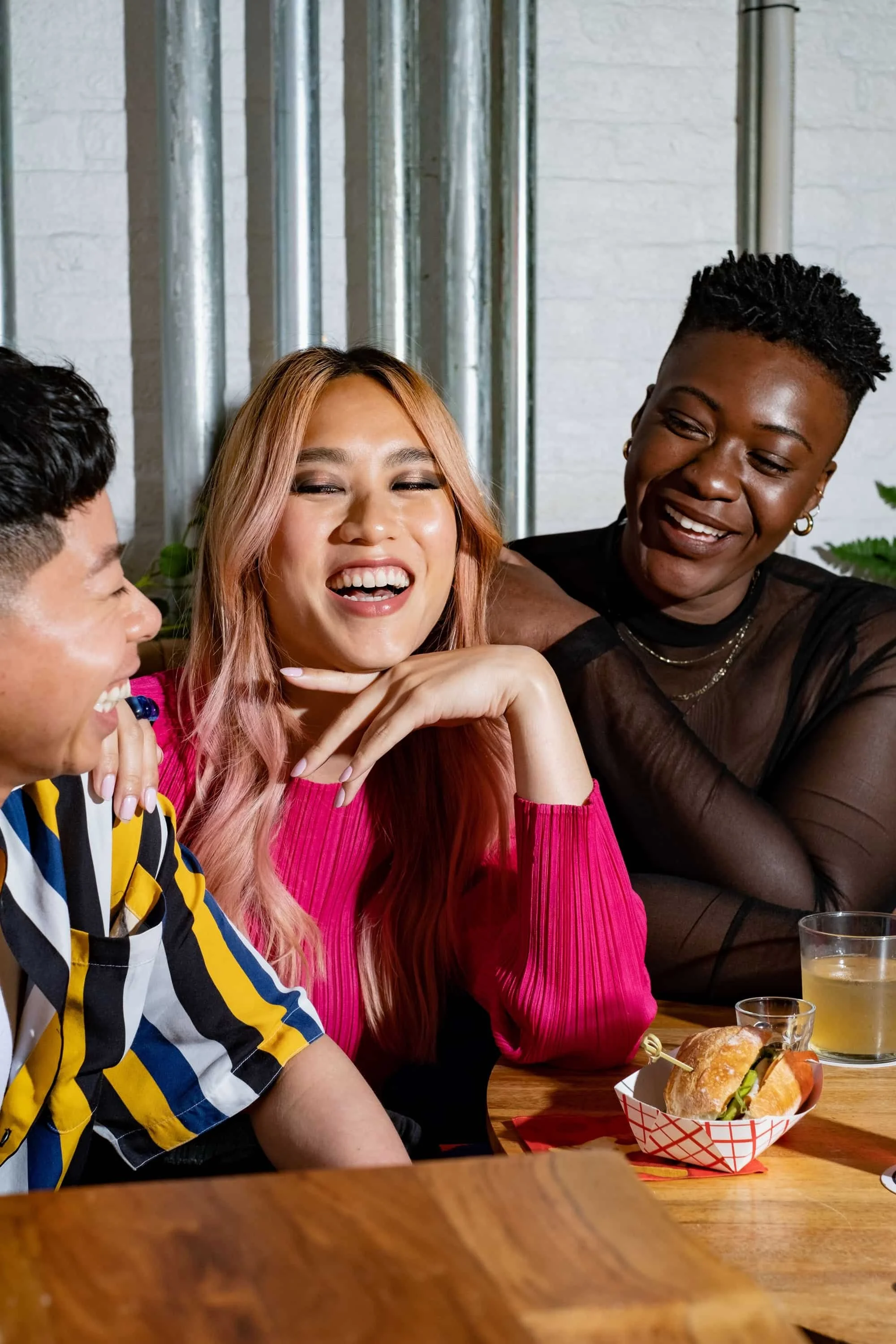
Therapy That Supports Your Relationship Values
There’s no single “right” way to structure relationships. What matters most is whether your relationships feel honest, consensual, and aligned with your values.
Therapy with me can help you slow down, understand your emotional patterns, and develop communication tools that support healthier connections whether you're practicing polyamory, exploring open relationships, or defining your own relationship structure.
If you're looking for an online therapist who understands ethical non-monogamy and approaches your relationships with curiosity rather than judgment, reach out to schedule a consultation with me.
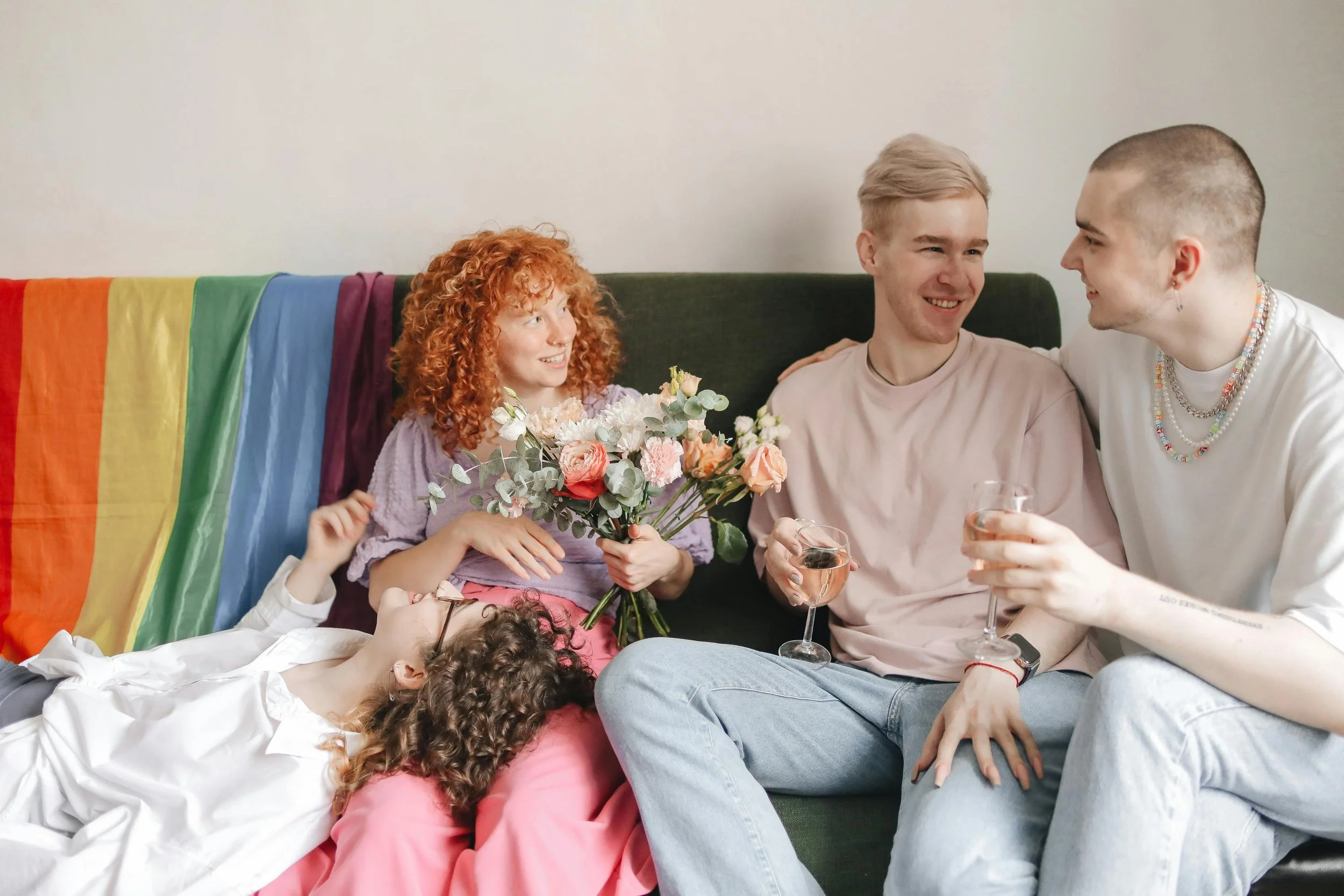
Therapy for Individuals
I work with individuals navigating polyamory, ethical non-monogamy, and other non-traditional relationship structures.
While therapy may involve discussing partners and relationship dynamics, sessions focus on your individual experiences, needs, and goals.
I do not currently provide couples therapy/counseling.

Frequently Asked Questions
What is ethical non-monogamy (ENM)?
Ethical non-monogamy (ENM) is an umbrella term for consensual relationship structures in which people have more than one romantic and/or sexual partner, with everyone’s knowledge and consent. ENM is a relationship structure, like monogamy it can be healthy or unhealthy depending on communication, consent, and alignment.
Do you only work with people practicing ENM/Polyamory?
Nope! While I specialize in supporting individuals exploring or practicing ENM/Polyamory, I welcome anyone seeking individual therapy. My focus is on affirming your relationship structure, not requiring you to fit a specific category.
Do you work with couples or polycules?
No, I work with individuals only. While sessions may involve discussing partners or relationship dynamics, therapy is focused on your personal experiences, goals, and emotional growth. I do not provide couples or group therapy.
Will I have to educate you about my relationship structure?
I’m familiar with many of the dynamics that arise in ENM and polyamorous relationships through my professional work and broader familiarity with the community, so you won’t need to spend therapy time explaining the basics.
How do I get started with therapy?
Reach out to schedule a free 15-minute phone consultation. We’ll discuss your goals, your relationship context, and see if we’re a good fit for working together.
Want to know more? Here are more Frequently Asked Questions